
What is Thought Record?
Cognitive Behavior Therapy (CBT) was developed by Aaron Beck in the 1960s, originally as a treatment for depression. It has since been found effective for depression, anxiety disorders, eating disorders, substance abuse, and personality disorders. A thought record is a core CBT tool that helps clients capture and evaluate their automatic thoughts.
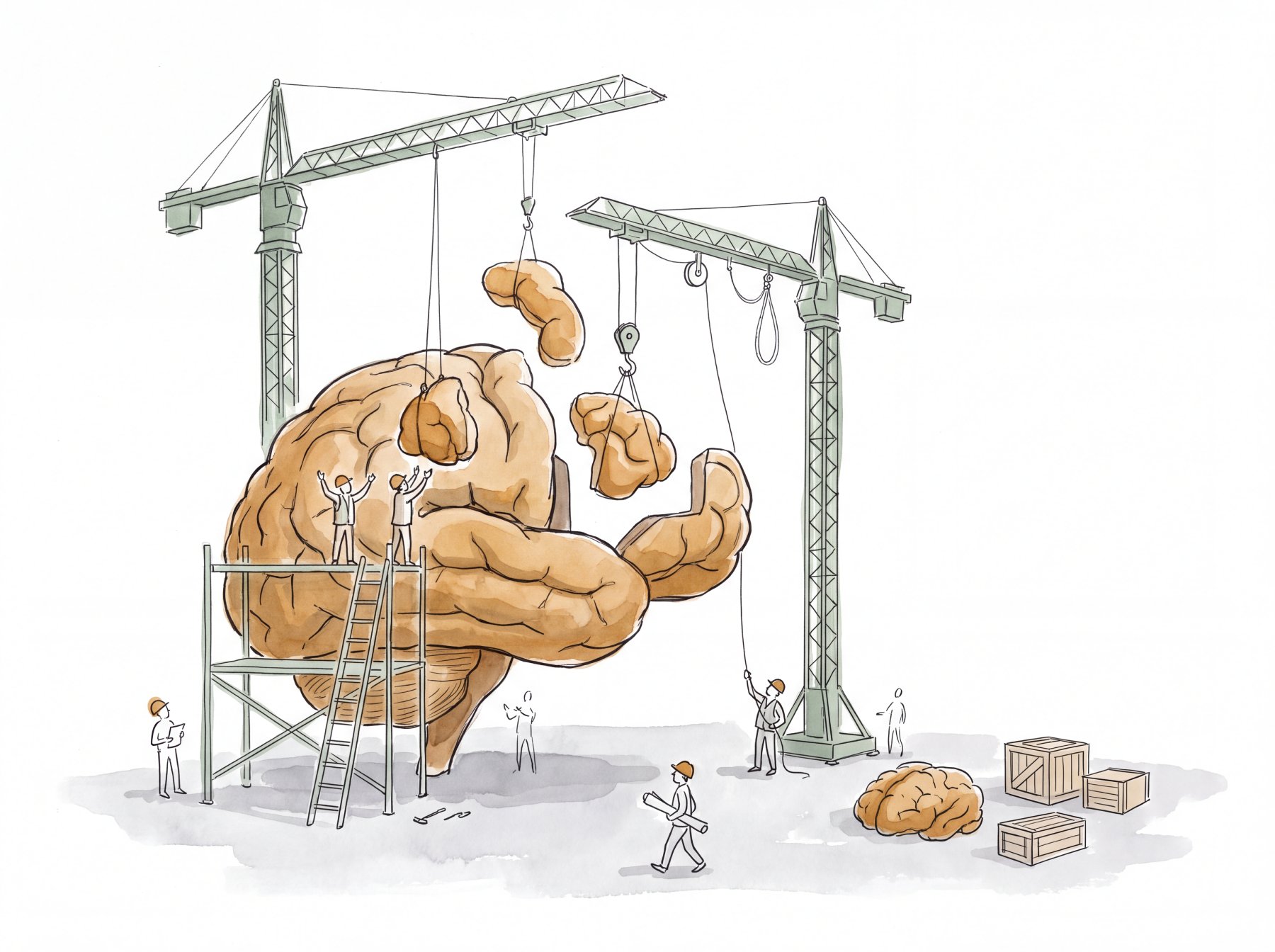
The worksheet guides clients through a structured process: identifying a triggering situation, noticing the automatic thoughts that arise in response, recognizing the emotions that follow, and then examining and challenging those thoughts. Thought records help patients capture, evaluate, and restructure their negative automatic thoughts.
How therapists use it
Introduce the thought record during session by working through an example from the client's recent experience. Walk through each column together so the client understands how to connect situations to thoughts to feelings. Assign thought records as homework to reinforce the skill and prompt clients to apply cognitive restructuring to real-life situations. Regularly review and discuss completed thought records in therapy to ensure effective use and address any challenges that arise.
Who it's for
Thought records are an important part of cognitive behavioral treatment for many problems. They work best for clients who can identify and articulate their thoughts, and who are willing to examine the connection between thinking and feeling. Many people's unfair, biased, and negative thinking is quick and automatic—they often feel bad without even knowing that they are doing it. Thought records help make that hidden process visible. They are less suitable for clients in acute crisis, those with severe cognitive impairment, or those who struggle with introspection.
What clients see
The client reads the instructions and fills in columns for the triggering situation, automatic thoughts, emotions, and evidence for and against the thought. They may add a reframed or balanced thought. The worksheet prompts reflection on how the situation felt before and after examining the thought.
Modality fit
CBT uses thought records to practice capturing and identifying negative automatic thoughts, and then to practice thinking in fair and balanced ways. The technique directly applies the core CBT principle that changing how we think can change how we feel.
Common questions
What if my client says they don't have thoughts, just feelings?
Automatic thoughts are rapid, subconscious cognitions that often arise unbidden in response to various stimuli. Some clients experience them as images or physical sensations rather than words. Help them notice what goes through their mind at the moment their mood shifts, even if it's fleeting or wordless.
How long does it take to see results from thought records?
Once you have practiced completing a thought record and tracking your automatic thoughts, you build awareness around your negative thoughts and can more easily catch them when they arise. This awareness is essential in strengthening our understanding of the relationship between our thoughts, feelings, and behavior. Results depend on consistent practice between sessions.
Can thought records be used alongside other CBT techniques?
Thought records can be used alongside other CBT interventions like behavioral activation or exposure therapy. For example, clients can use thought records to challenge anxious thoughts before and after an exposure exercise, reinforcing the cognitive restructuring process.
What conditions respond well to thought records?
CBT has been found effective for depression, anxiety disorders, eating disorders, substance abuse, and personality disorders. Thought records are a foundational technique across these applications, helping clients recognize the thought patterns that maintain their distress.