
What is Cognitive Defusion?
ACT, or Acceptance and Commitment Therapy, is a form of cognitive behavioral psychotherapy that uses mindfulness to recognize one's psychological responses and be open to one's experiences and accept them, and commitment to one's core values to create a meaningful life. ACT was developed in the 1980s by Steven C. Hayes, taking a contextualistic and holistic approach to human behaviour, arguing that human suffering is created by human language (cognition), that is, the way we create and are entangled in our subjective world, and avoid certain unpleasant feelings.
Cognitive defusion is one of the core processes in ACT. Cognitive fusion occurs when individuals perceive their thoughts as literal truth, and defusion reverses this by creating space between the client and the thought. The worksheet presents several techniques to try: naming the thought, repeating it, singing it, or observing it as if it were a passing event. Each method aims to reduce the thought's grip on behavior without trying to eliminate or change it.
How therapists use it
Introduce cognitive defusion when a client reports being caught up in repetitive, distressing, or intrusive thoughts that drive avoidance or other unhelpful behaviors. ACT utilizes cognitive defusion strategies to alter the function of unwanted, distressing thoughts so as to reduce their impact and foster greater psychological flexibility. After the client completes the worksheet and tries one or more techniques, ask what shifted in their relationship to the thought—not whether the thought changed, but whether it feels less urgent, less true, or less controlling. Use their experience to build the skill further in session or assign it as a between-sessions practice.
Who it's for
In clinical settings, cognitive defusion is used to help individuals dealing with various psychological difficulties, such as anxiety, depression, trauma, and obsessive-compulsive disorder (OCD). Defusion-style skills are a useful complement to exposure-based OCD treatment: they support letting obsessive thoughts be present without engaging or neutralizing them, and they pair naturally with broader CBT for anxiety. ACT has been showing a growing role in the treatment of individuals with trauma histories by enhancing positive outcomes and by being associated with greater psychological flexibility. It is increasingly considered to be well-suited to the treatment of trauma by targeting avoidance, coping strategies with emotional disengagement and persistent dissociation, aspects associated with greater PTSD symptom severity and related psychopathology. ACT is one approach to assist clients negotiate the pain of grief and begin the path toward healing. Defusion works best when the client's suffering comes from being fused with thoughts rather than from the thoughts' content. It is less suited as a standalone intervention for OCD and works best within a structured treatment plan.
What clients see
The client reads an explanation of cognitive fusion and defusion, then tries one or more techniques to create distance from a specific thought. The worksheet guides them through naming the thought, repeating it aloud, singing it, or observing it as a mental event. They notice what shifts in how the thought feels or how much it influences their behavior.
The Thought
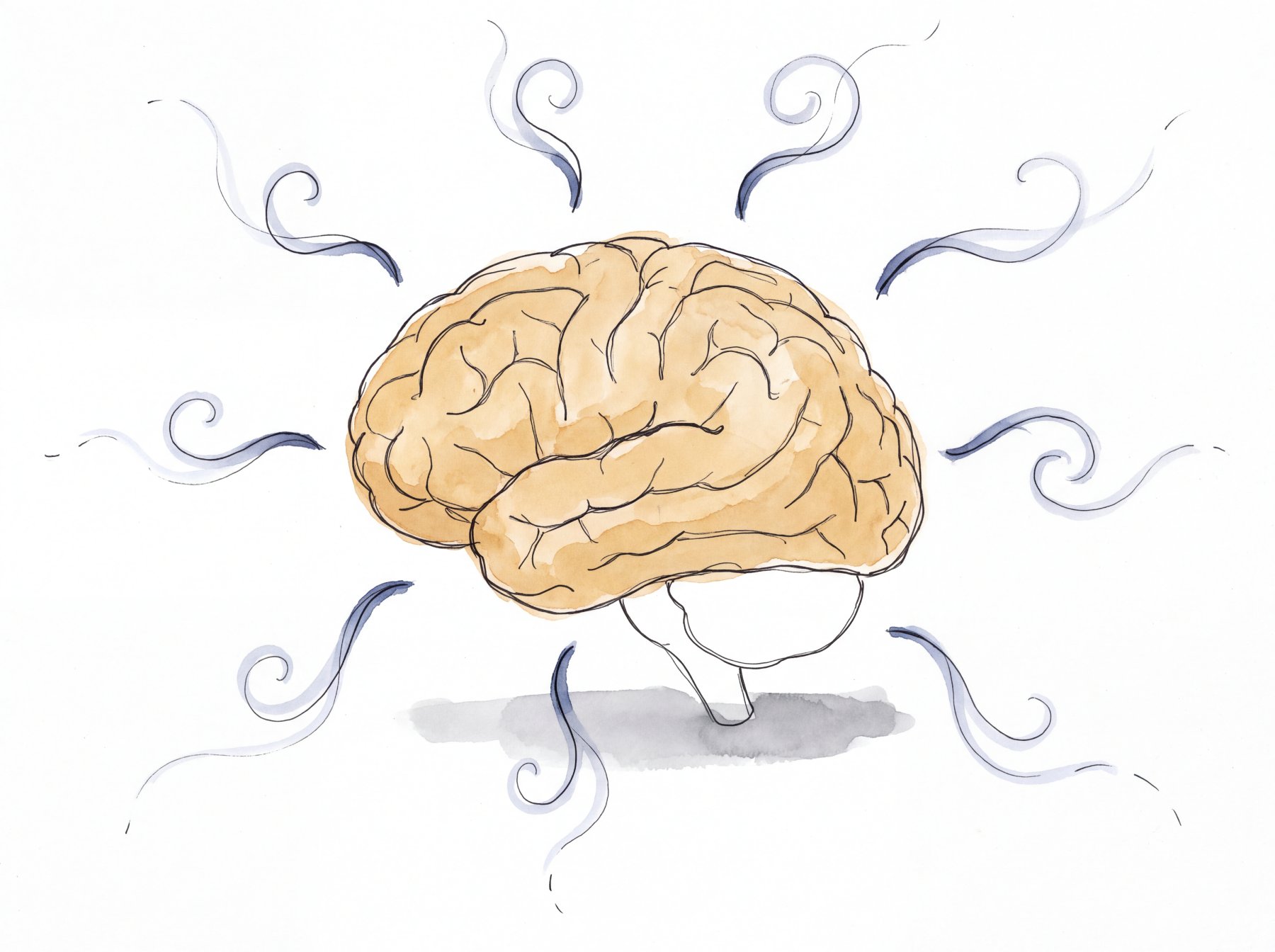
In ACT, fusion is what happens when you get caught up in a thought — when you treat it as literally true, urgent, or defining. Defusion is the opposite: creating space between you and the thought so you can see it as just a thought, not a f…
Trying Defusion
These are a few ways to create distance from the thought. Try one or more and notice what shifts.
After
Modality fit
Cognitive defusion is one of the core principles of ACT. ACT utilizes cognitive defusion strategies to alter the function of unwanted, distressing thoughts so as to reduce their impact and foster greater psychological flexibility. Defusion is the process of stepping back from thoughts so they lose their behavioral grip, which is central to how ACT builds psychological flexibility.
Common questions
When should I use cognitive defusion instead of thought-challenging or cognitive restructuring?
CBT engages content — evidence, distortions, balanced alternatives — aiming for a more accurate thought. Defusion does not enter the content debate; the thought can stay as it is. It changes your relationship to the thought — its grip, its felt truth, its behavioral pull. The distinction matters most when content work has plateaued: defusion is the next move when 'I know it isn't true but it still runs my life' is the impasse.
Is cognitive defusion effective for OCD?
Defusion-style skills are a useful complement to exposure-based OCD treatment: they support letting obsessive thoughts be present without engaging or neutralizing them. For OCD itself, they work best inside a structured treatment plan rather than as a standalone fix. Defusion must not become a neutralizer used to make the thought go away — that turns the technique into a compulsion.
What's the goal of cognitive defusion—to make thoughts go away?
Defusion is not about making thoughts go away: trying to delete thoughts is the white-bear game, and the game is rigged. It is about spending less of your life inside the argument. The goal is to reduce the thought's power over behavior, not to eliminate it.
How quickly does cognitive defusion work?
Small effects often show up immediately — believability can drop within a single 30-second word-repetition. However, building the skill takes practice, and the full benefit emerges when defusion is part of a broader ACT approach.
Can I use cognitive defusion with other therapies?
Cognitive defusion is a helpful tool that can be used alongside many different therapy approaches. While it is a primary technique used in ACT, it could also be helpful as a coping skill, a preparation resource for trauma work, or a way to practice mindfulness when it comes to negative thoughts.